


Where the need for advice usually starts

The operational and institutional pressures clients recognise first.

The problems that arrive before they become projects — recurring situations faced by authorities, operators and infrastructure owners.

Busy European boulevard at dusk with trams, cyclists and pedestrians — the everyday mobility pressure clients face
Recognition first

Do any of these situations feel familiar?

Clients usually come to MagicPill when an issue sits between technical, organisational and institutional territory, and is still hard to define.

  1. 01
    You have data, systems and dashboards, but still no shared operational picture.
  2. 02
    Your technology is ageing, but replacing it without a clear roadmap feels risky.
  3. 03
    One supplier, platform or legacy architecture has too much influence over your options.
  4. 04
    You have plenty of data, but not enough decision-grade information.
  5. 05
    Accountability is unclear across authorities, operators, contractors or delivery partners.
  6. 06
    Digital ambition has moved faster than governance, skills or operating models.
  7. 07
    The network must evolve without losing control of what already works.

How MagicPill translates these situations into a proportionate advisory response is set out in How we help.

Three lenses

The worlds in which these pressures appear.

Client pressures live in three overlapping worlds: long-lived infrastructure, connected systems, and the daily reality of access and operations. Most assignments cut across two or more.

Lens 01

When the asset lasts longer than the policy cycle.

Infrastructure

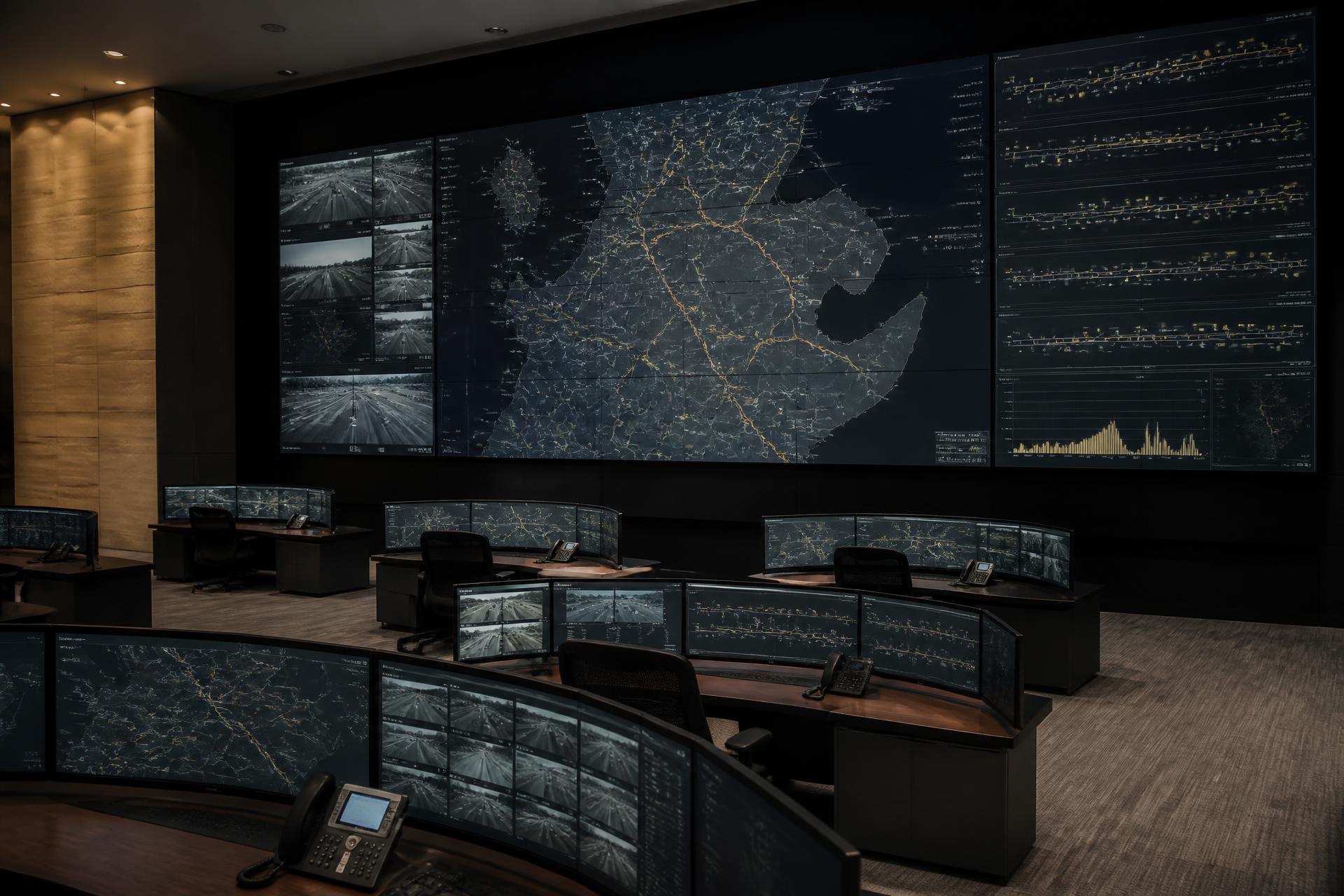
You are being asked to modernise assets designed for a different operational era. Roads, corridors, control centres, tunnels and roadside systems are expected to support new policies, AI-assisted operations, connected services and increasingly automated vehicles, often without a clean break from the past.

  • Ageing systems still critical to daily operation
  • Investment decisions with long-term consequences
  • Pressure to modernise without disrupting service
Lens 02

When everything is connected, but not yet coherent.

Connected systems

Your organisation has platforms, suppliers, data flows and dashboards, but still struggles to turn them into a shared operational picture. New layers of automation and AI-assisted decision support are being added, but operational coherence remains difficult across traffic, public transport, parking, enforcement, customer information and field operations.

  • Multiple suppliers and fragmented responsibilities
  • Interfaces that work technically but not operationally
  • Data, AI and automation not yet embedded in operational decisions
Lens 03

When mobility management becomes access management.

Access & operations

You are no longer only managing movement. You are managing access, priorities, restrictions and exceptions in real time, while connected, automated and eventually autonomous vehicles require clearer digital rules of the road.

  • Rules changing faster than infrastructure
  • Operational teams under live pressure
  • Need for fair, explainable and machine-readable decisions

If one of these situations feels familiar, the next step is not a full project. It is a diagnostic conversation.

Bring the challenge as it currently appears, even if incomplete or politically sensitive. The first step is a conversation about the nature of the problem and the response it calls for.